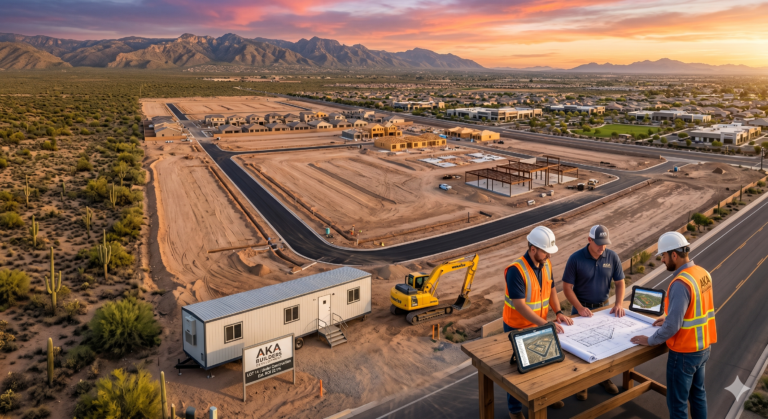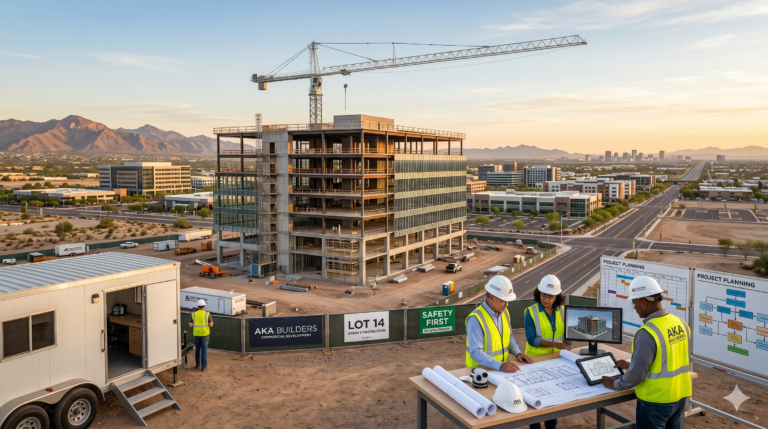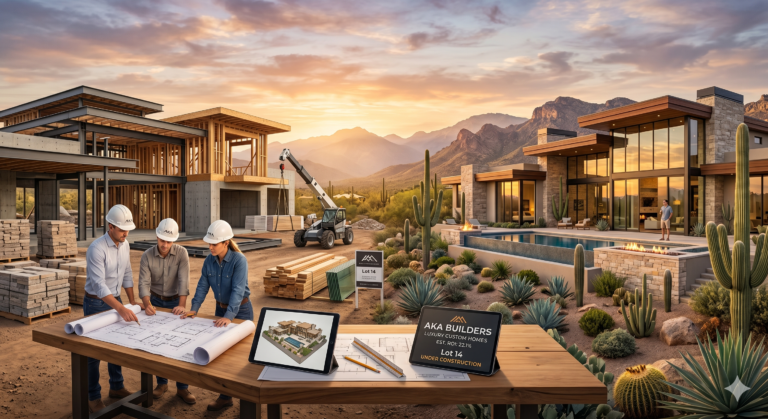
Full-service general contracting for residential and light commercial projects in Southern Arizona. Expert project management, construction execution, and development support.
Introduction
Commercial construction in Southern Arizona continues to grow as cities like Tucson and nearby communities experience ongoing residential expansion, retail development, and increasing demand for modern business infrastructure. As population growth and business activity rise across Arizona, the need for reliable commercial construction and professional general contracting services has become more important than ever.
Unlike residential construction, commercial projects involve larger operational demands, strict building regulations, advanced coordination, and detailed project management. From office spaces and retail centers to medical clinics and mixed-use developments, commercial construction requires organized execution from planning to final completion.
In 2026, developers and business owners are focusing on efficient, durable, and energy-conscious construction solutions that support long-term business growth while meeting Arizona’s climate and zoning requirements.
What Is Commercial Construction?
Commercial construction refers to the planning, design, coordination, and construction of buildings intended for commercial or operational use. These structures are built to support businesses, organizations, healthcare services, retail operations, and mixed-use developments.
Commercial construction projects often include:
- Office buildings and workspaces
- Retail stores and shopping plazas
- Medical and dental facilities
- Restaurants and service businesses
- Light industrial and warehouse buildings
- Mixed-use residential-commercial developments
These projects involve multiple construction phases, engineering systems, permit approvals, and specialized subcontractors. Because commercial structures are designed for public or operational use, they must meet strict safety, accessibility, and compliance standards.
Role of a General Contractor
A general contractor (GC) is responsible for managing the entire construction project from start to finish. The GC acts as the central point of coordination between property owners, architects, engineers, inspectors, suppliers, and subcontractors.
Professional general contracting helps ensure projects stay organized, on schedule, and within budget.
Project Planning
The first responsibility of a general contractor is pre-construction planning. This phase includes:
- Site evaluation
- Feasibility analysis
- Construction budgeting
- Material planning
- Timeline development
- Resource coordination
Proper planning helps identify challenges early and reduces delays during construction.
Coordination & Management
Commercial construction involves many moving parts. General contractors manage:
- Subcontractor scheduling
- Engineer coordination
- Architectural communication
- Permit processing
- Inspection scheduling
- Material delivery timelines
Strong coordination improves workflow efficiency and reduces costly mistakes.
Construction Oversight
During the construction phase, the GC monitors:
- Structural progress
- Safety compliance
- Quality control
- Budget tracking
- Construction scheduling
- Building code requirements
This oversight helps maintain construction standards while keeping the project moving forward.
Final Project Delivery
Before project completion, the general contractor ensures:
- Final inspections are passed
- Safety standards are verified
- Systems are tested properly
- Client requirements are completed
- The building is ready for occupancy or operation
Professional project closeout is critical for commercial construction success.
Light Commercial Construction in Southern Arizona
Light commercial construction is one of the fastest-growing sectors in Southern Arizona. Many local businesses and developers are investing in smaller commercial spaces designed for community growth and modern business operations.
Examples of light commercial projects include:
- Small office buildings
- Retail storefronts
- Shopping plazas
- Medical clinics
- Dental offices
- Fitness studios
- Service-based businesses
- Mixed-use neighborhood developments
These projects require efficient construction methods while maintaining durability, energy performance, and long-term operational value.
In Tucson and surrounding regions, light commercial construction is especially important because many growing communities need local services closer to residential areas.
Construction Environment in Southern Arizona
Commercial construction in Southern Arizona requires specialized understanding of the regional environment, climate, and regulatory systems.
Climate Challenges
Arizona’s desert climate creates unique construction demands, including:
- Extreme summer temperatures
- Heat-resistant building materials
- Energy-efficient insulation systems
- Cooling and ventilation optimization
- UV-resistant exterior materials
Buildings must be designed to handle long-term heat exposure while maintaining energy efficiency and indoor comfort.
Regional Regulations
Commercial construction projects must comply with:
- Tucson city permitting requirements
- County zoning regulations
- Accessibility standards
- Environmental compliance rules
- Fire and safety codes
Permit approval and inspections are essential parts of every commercial project.
Soil & Foundation Considerations
Southern Arizona soil conditions require careful planning for:
- Foundation stability
- Site grading
- Drainage systems
- Structural reinforcement
Proper engineering reduces long-term structural risks and improves building performance.
Step-by-Step Commercial Construction Process
1. Pre-Construction Phase
This phase focuses on project preparation and planning.
Key steps include:
- Site inspections
- Feasibility studies
- Budget planning
- Scheduling development
- Risk analysis
- Land use evaluation
Strong pre-construction planning helps avoid delays later in the project.
2. Design Coordination
During this phase, architects, engineers, and contractors work together to finalize building plans.
This includes:
- Architectural design review
- Structural engineering analysis
- Mechanical system planning
- Electrical and plumbing coordination
- Permit submission and approvals
Design coordination ensures construction plans meet operational and legal requirements.
3. Construction Execution
This is the active building phase where physical construction begins.
Work typically includes:
- Site preparation
- Foundation installation
- Structural framing
- Roofing systems
- Mechanical systems
- Electrical installation
- Plumbing systems
- Exterior finishing
- Interior build-out
Commercial construction requires strict scheduling because many teams work simultaneously throughout the project.
4. Final Inspection & Completion
Before project turnover, the building must pass several inspections.
Final completion includes:
- Safety inspections
- Code compliance verification
- System testing
- Final walkthroughs
- Client approval
- Occupancy preparation
This stage ensures the building is fully operational and ready for business use.
Importance of Professional General Contracting
Commercial projects are often large financial investments, and even small mistakes can create major delays or budget increases. Professional general contracting helps reduce these risks through organized planning and project management.
Benefits of professional GC services include:
- Better project organization
- Controlled construction timelines
- Improved subcontractor coordination
- Reduced construction delays
- Higher quality control
- Better cost management
- Compliance with local regulations
- Safer construction environments
Experienced contractors help maintain consistency across every phase of the project.
Modern Trends in Commercial Construction
Commercial construction in Arizona is evolving with new technologies and design priorities.
Popular trends in 2026 include:
- Smart building technology
- Energy-efficient systems
- Sustainable construction materials
- Open workspace layouts
- Flexible mixed-use developments
- Solar-ready commercial buildings
- Advanced HVAC efficiency systems
Businesses now prioritize long-term operational savings and energy performance when developing commercial properties.
Conclusion
Commercial construction in Southern Arizona is a rapidly growing industry driven by business expansion, population growth, and increasing demand for modern infrastructure. From retail developments and office spaces to medical clinics and mixed-use projects, successful construction requires organized planning, strong project management, and experienced general contracting.
In Tucson and surrounding Arizona communities, professional commercial construction services help ensure projects are completed safely, efficiently, and according to long-term operational goals. Whether developing a light commercial property or managing a larger construction project, structured general contracting remains the foundation of successful commercial development in 2026.